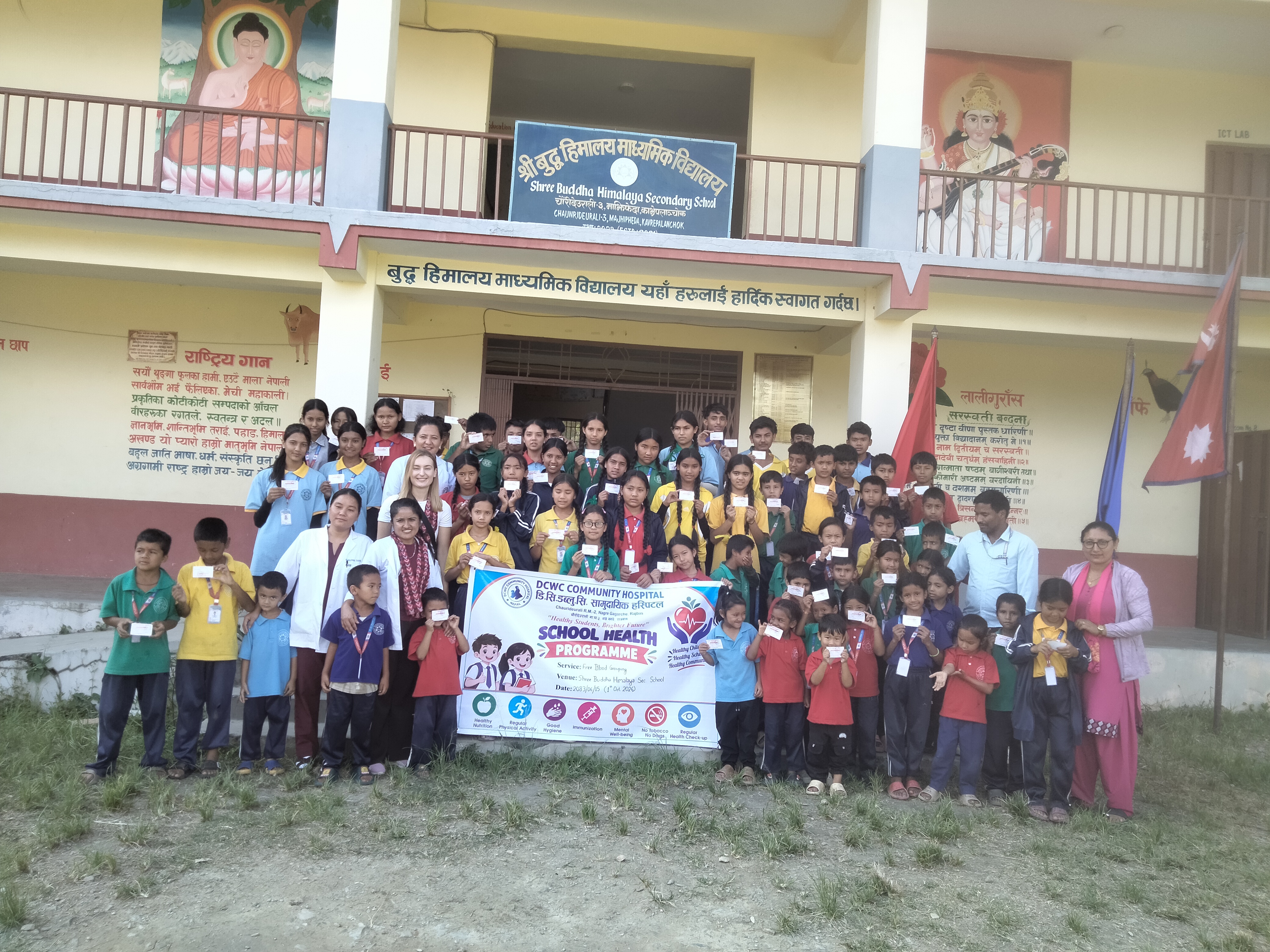
Free Blood Group Identification Program Successfully Conducted At Buddha Himalaya Secondary School
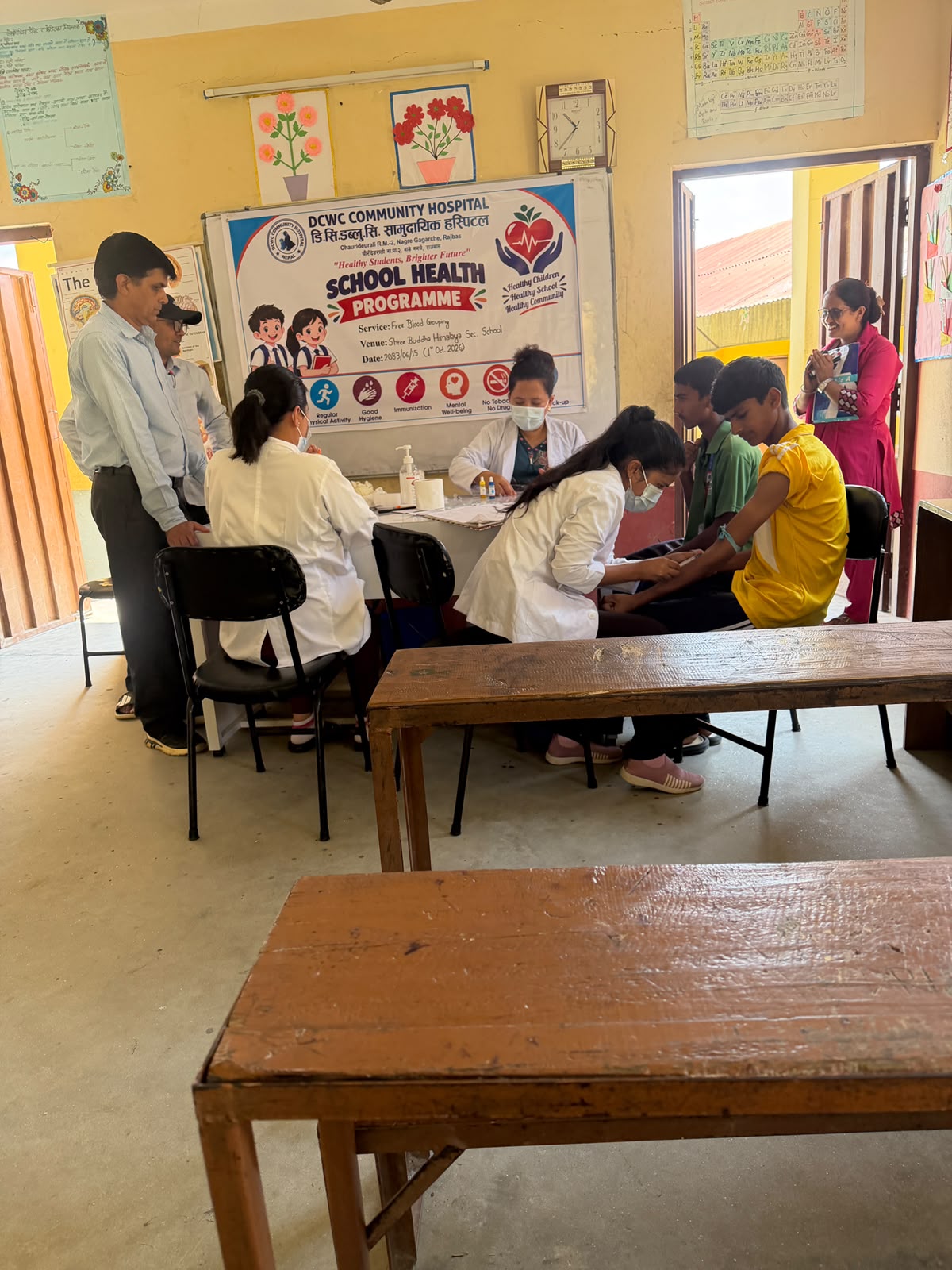
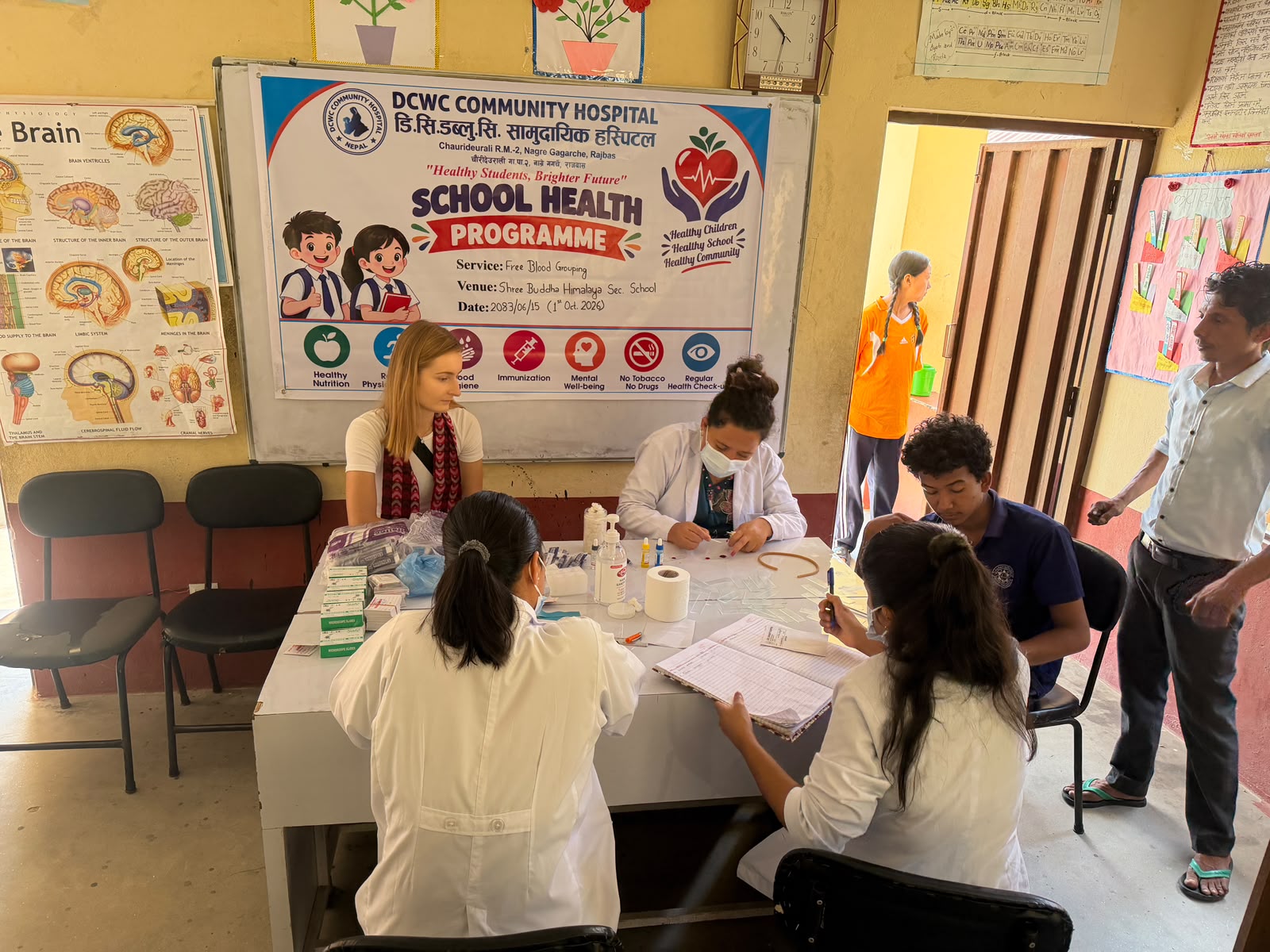
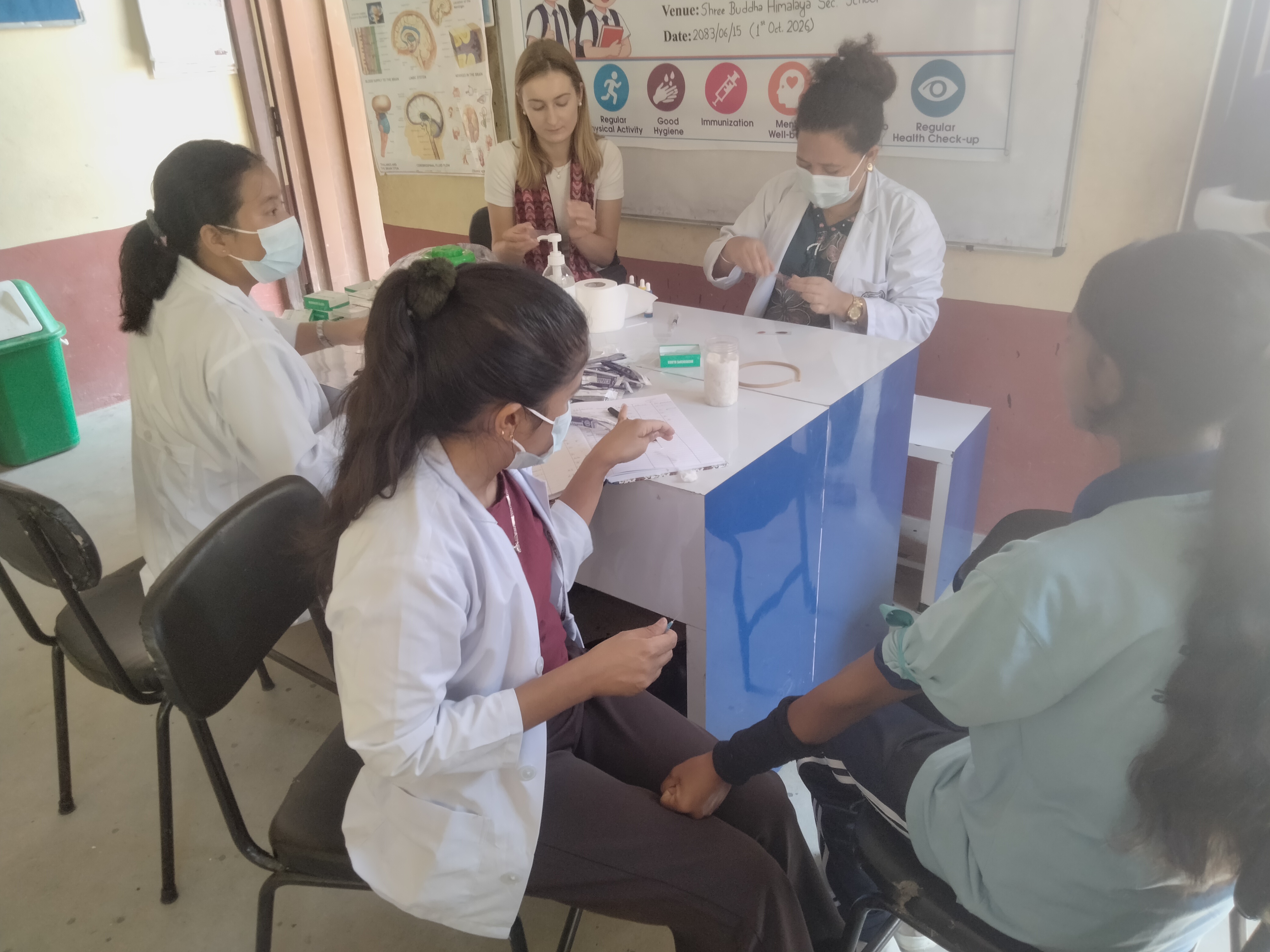
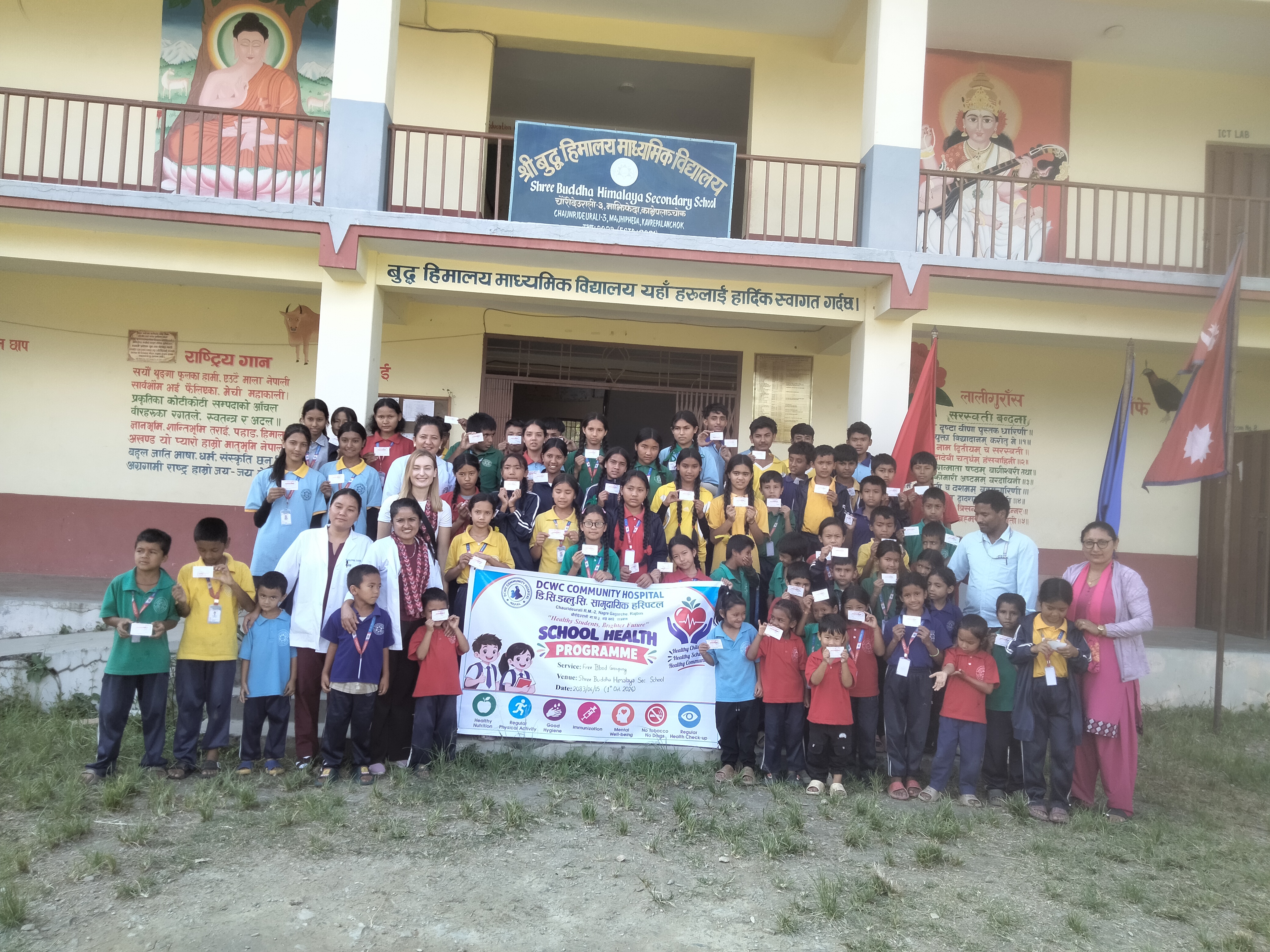
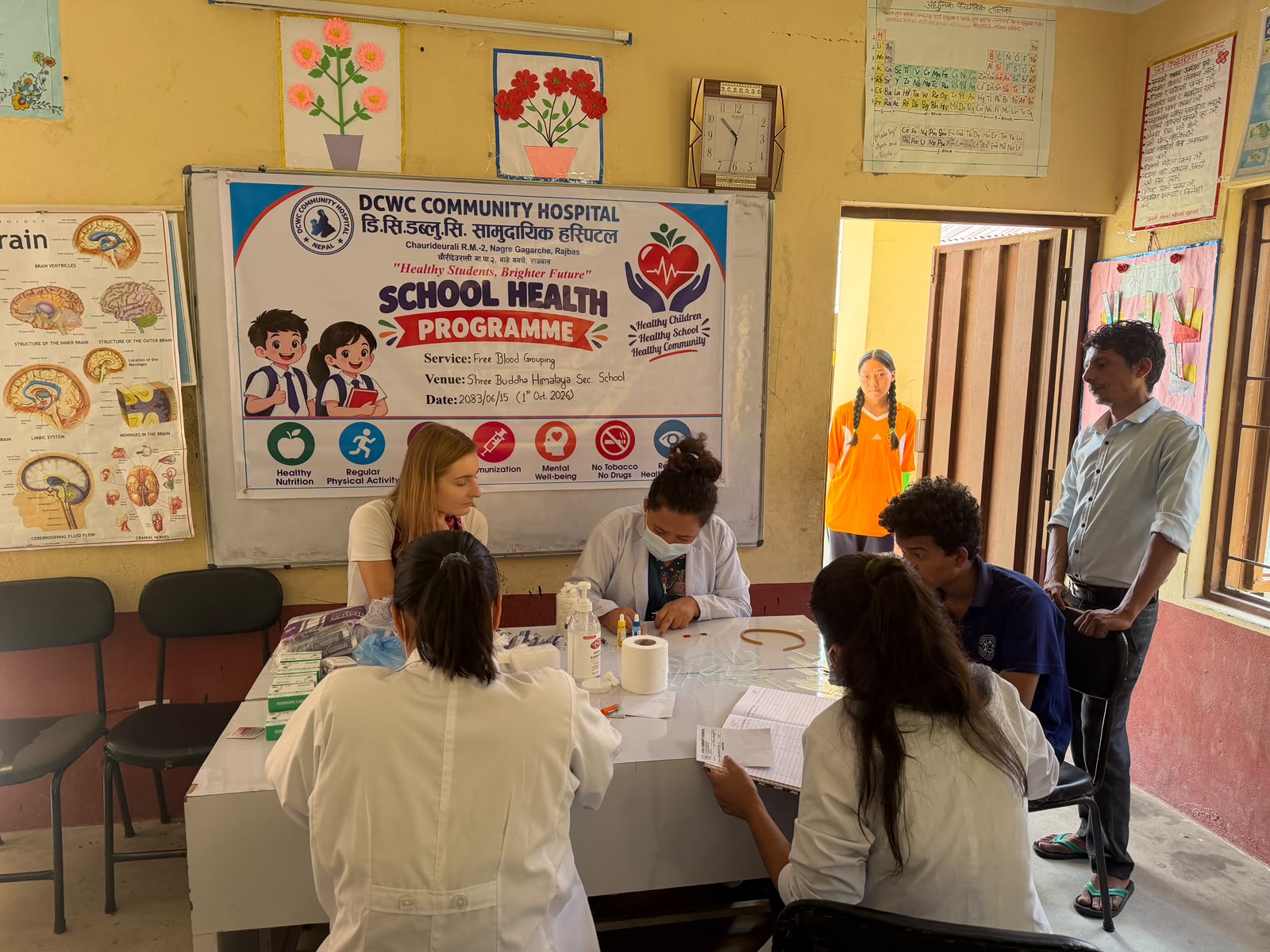
Our Hospital Management Team successfully conducted a one-day Free Blood Group Identification Program at Buddha Himalaya Secondary School, Ward No. 3, Chaurideurali Rural Municipality, on October 1, 2026 (Ashoj 15, 2083 B.S.).
The program was organized under the leadership of Hospital Management Head Mr. Tul Bahadur Lama, with the dedicated support and coordination of Ms. Koshila Shrestha, Lab In-charge; Ms. Saradha Karki, Nursing In-charge; Dr. Eliska Mynarova, Czech Republic Volunteer; and Ms. Kalpana Thapa, School Nurse.
The program aimed to help students and members of the school community identify their blood groups, increase awareness of blood donation, and provide essential information about blood compatibility and the importance of safe blood transfusion during medical emergencies.
130 Individuals Identified Their Blood Groups in Five Hours
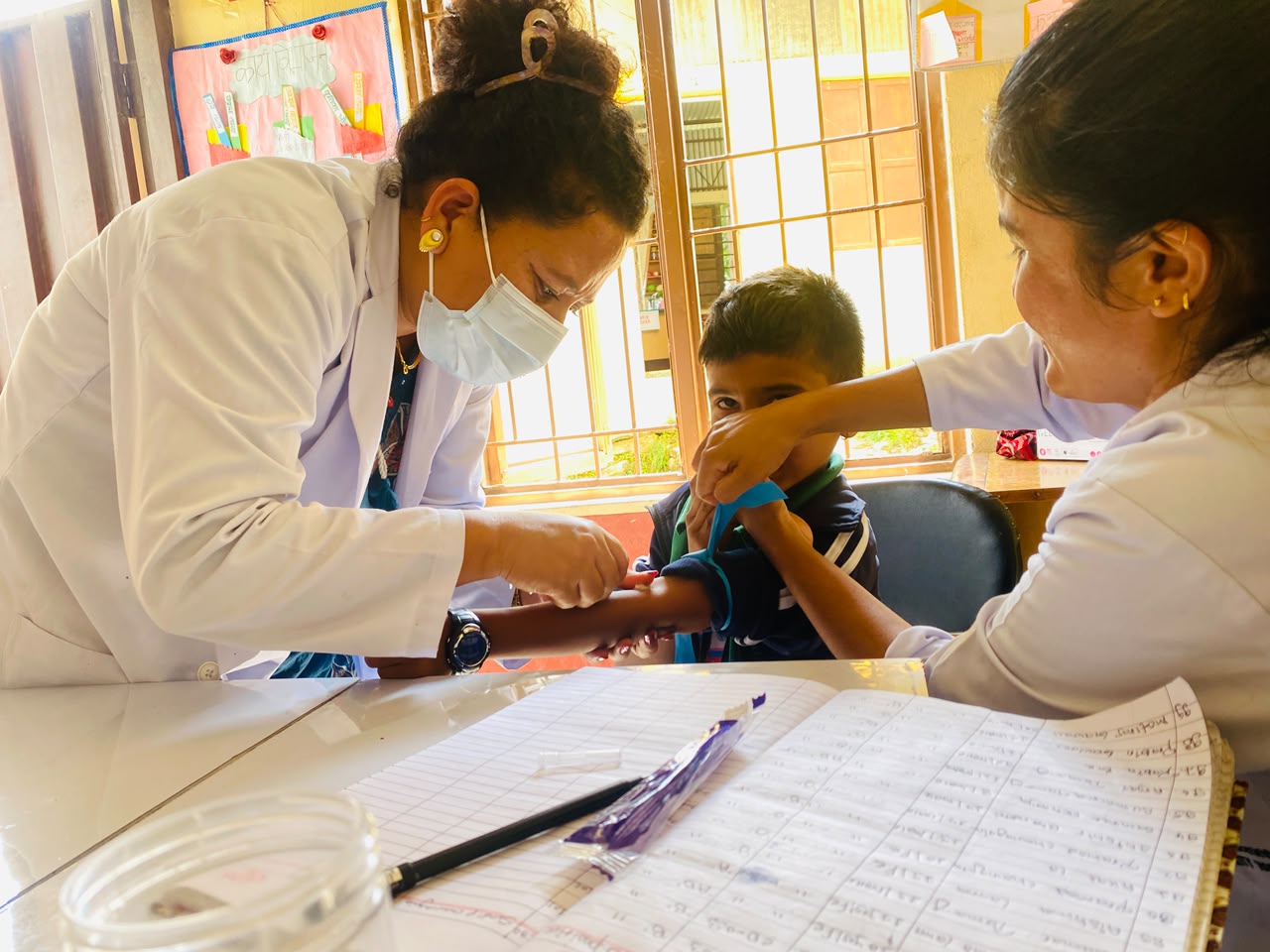
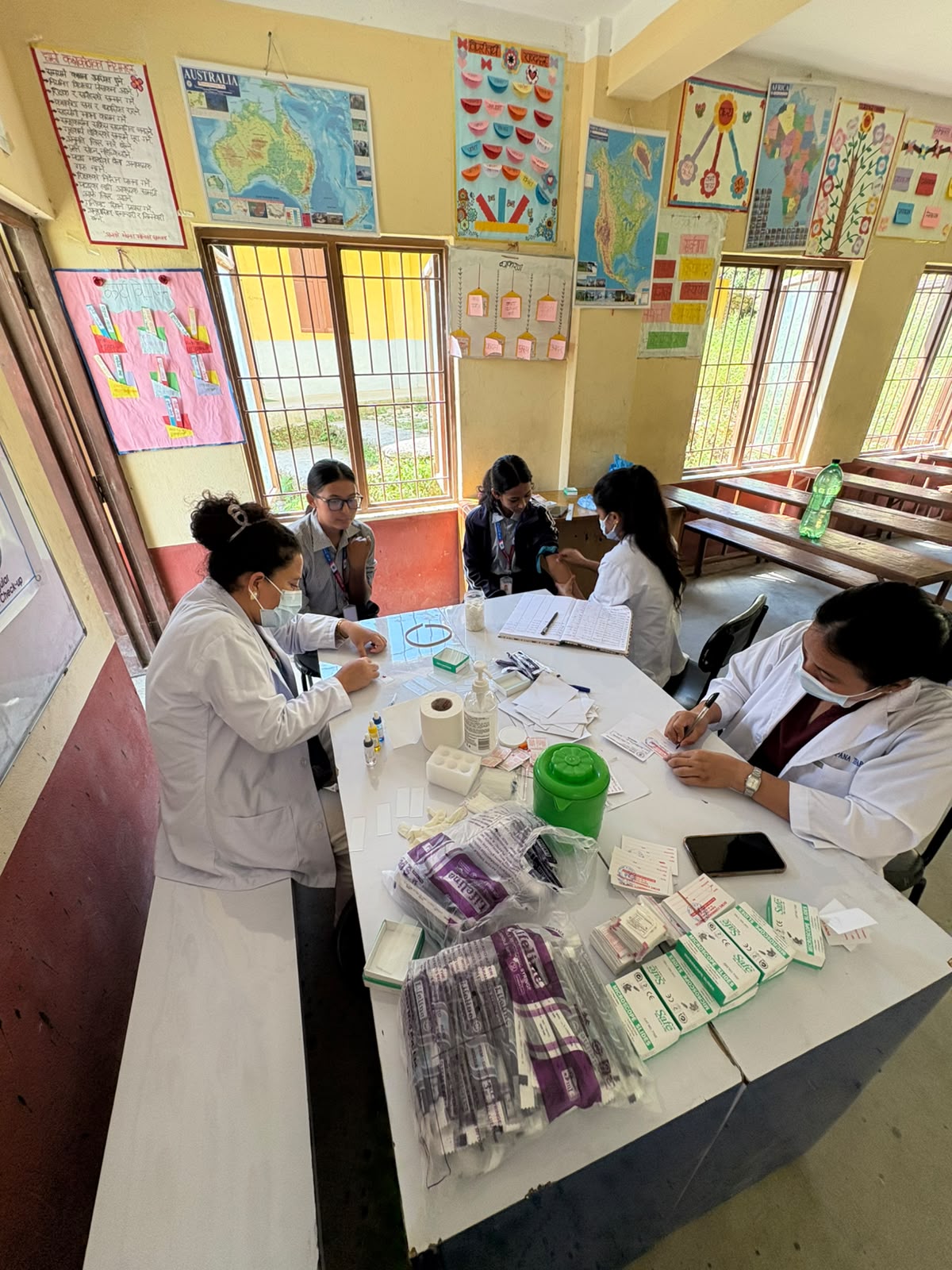
With the continuous efforts and teamwork of the hospital staff, volunteers, and school representatives, the program successfully identified the blood groups of 130 individuals within five hours.
The participants included:
-
67 females
-
63 males
This achievement reflects the importance of community-based healthcare initiatives and the value of collaboration between healthcare institutions, educational institutions, and volunteers.
Blood Group Identification Results
The blood group identification program recorded the following results among the 130 participants:
| Blood Group | Number of Individuals |
|---|---|
| A Positive (A+) | 32 |
| B Positive (B+) | 29 |
| B Negative (B−) | 1 |
| AB Positive (AB+) | 10 |
| O Positive (O+) | 56 |
| O Negative (O−) | 2 |
| Total | 130 |
Among the identified blood groups, O Positive (O+) was the most common, with 56 individuals, followed by A Positive (A+) with 32 individuals and B Positive (B+) with 29 individuals. The program also identified individuals with less common blood groups, including B Negative (B−) and O Negative (O−).
Knowing one's blood group is an important step toward being better prepared for medical emergencies and understanding the need for voluntary blood donation.
Raising Awareness About Blood Compatibility and Safe Transfusion
In addition to identifying blood groups, participants received information about which blood groups can donate red blood cells to recipients of other blood groups. They were also informed about the importance of proper blood testing and crossmatching before transfusion.
The hospital team explained that blood group compatibility is essential for safe blood transfusion. In emergencies, the hospital can help coordinate the provision of blood when needed, subject to blood availability, appropriate testing, and clinical requirements.
The program emphasized that knowing one's blood group can help improve preparedness, but blood transfusions must always be conducted under qualified medical supervision.
Blood Group Compatibility: Who Can Donate to Whom?
The following chart provides a general guide to red blood cell transfusion compatibility for the eight major ABO and Rh blood groups.
| Donor Blood Group | Can Generally Donate Red Blood Cells To |
|---|---|
| O− | O−, O+, A−, A+, B−, B+, AB−, AB+ |
| O+ | O+, A+, B+, AB+ |
| A− | A−, A+, AB−, AB+ |
| A+ | A+, AB+ |
| B− | B−, B+, AB−, AB+ |
| B+ | B+, AB+ |
| AB− | AB−, AB+ |
| AB+ | AB+ |
Important information to remember:
-
O Negative (O−): Often called the universal red blood cell donor because its red blood cells can generally be given to recipients of any ABO/Rh blood group in appropriate circumstances.
-
AB Positive (AB+): Can generally receive red blood cells from all eight ABO/Rh blood groups.
-
Rh-negative recipients: Generally require Rh-negative red blood cells, particularly in planned transfusions and for patients with relevant clinical considerations.
-
Crossmatching is essential: Before a transfusion, the hospital must perform the necessary compatibility testing and follow established transfusion protocols. In emergencies, clinicians may use emergency-release blood according to applicable protocols.
A Successful Step Toward a Healthier and More Informed Community
The successful completion of this program demonstrates how small but meaningful healthcare initiatives can make a lasting difference in the community. By helping individuals learn their blood groups and understand blood donation and transfusion safety, the program contributed to greater health awareness and emergency preparedness.
We believe that continued collaboration among hospitals, schools, healthcare professionals, volunteers, and local communities is essential to expanding access to basic healthcare information and encouraging a culture of voluntary blood donation.
Heartfelt Thanks to Everyone Who Made This Program Possible
At the conclusion of this one-day free blood group identification program, Our Hospital Management Team extends its sincere gratitude to everyone who contributed to its success.
We would like to express our special appreciation to Mr. Tul Bahadur Lama, Ms. Koshila Shrestha, Ms. Saradha Karki, Dr. Eliska Mynarova, and Ms. Kalpana Thapa for their leadership, dedication, coordination, and continuous support.
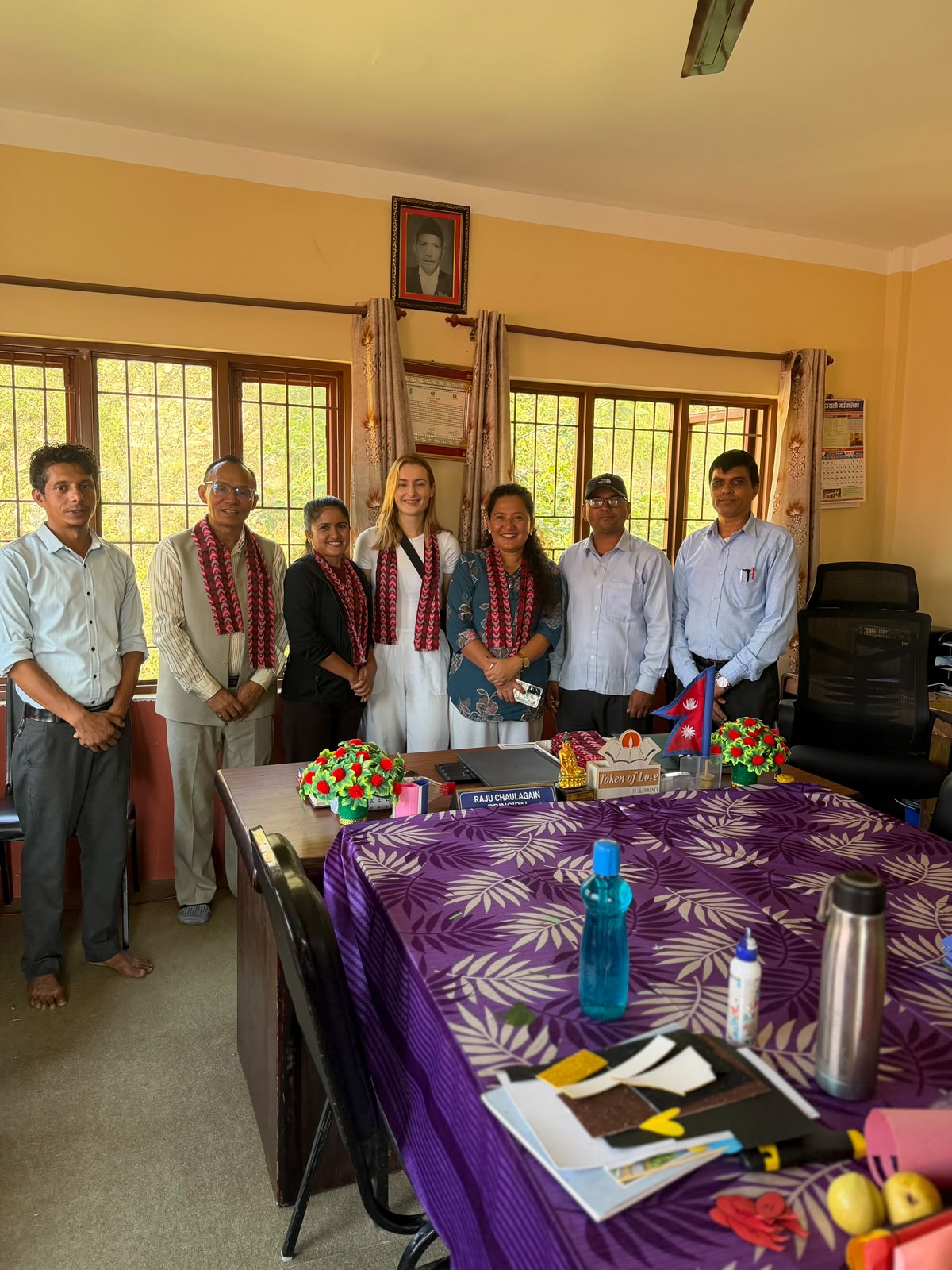
We are equally grateful to Buddha Himalaya Secondary School, its administration, teachers, students, and all 130 participants for their valuable cooperation and active involvement.
Your collective efforts made this initiative a success and helped strengthen awareness of blood group identification, blood donation, and safe transfusion practices.
Together, let us continue working toward a healthier, safer, and more informed community. Every contribution matters, and every effort to save a life makes a difference.
More details :